 Aert Medical
Aert Medical
Aert Medical
Artificial Intelligence (AI) has made significant strides in various medical fields. One area where AI shows promise is in MRI patient positioning. Accurate positioning is vital for high-quality imaging and effective diagnosis. Despite advancements, patient positioning challenges remain. How can AI vision assist in patient positioning for MRI?
AI can enhance the accuracy of patient alignment by analyzing images and suggesting optimal positioning. This reduces the likelihood of motion artifacts during scans. For instance, AI can track patient movements in real-time and adjust scans dynamically, improving the overall imaging process. Furthermore, AI can assist staff in determining the best body posture for specific MRI requirements.
However, integrating AI into clinical settings comes with challenges. There are concerns about the reliability of AI systems and their need for continuous monitoring. Staff training is essential to ensure proper use of these technologies. While the potential benefits are substantial, careful consideration of implementation strategies is necessary to maximize effectiveness.
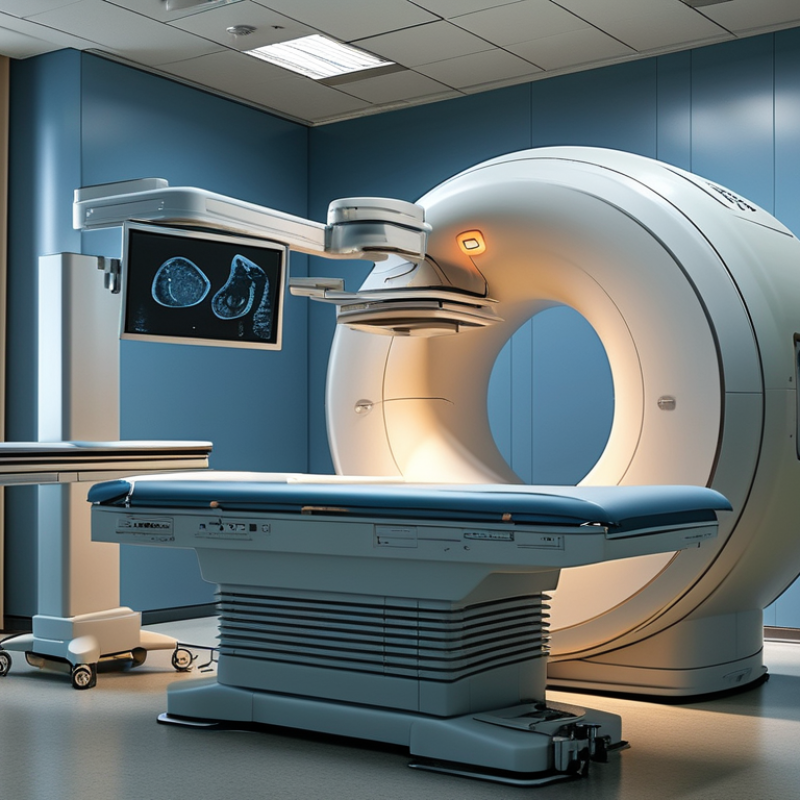
AI vision brings significant advancements to MRI patient positioning. By utilizing computer vision, systems can analyze and detect optimal body positioning automatically. This eliminates human error and improves the accuracy of scans. Precise positioning results in better image quality and lower chances of repeat scans, saving both time and resources.
The real-time adjustments made possible by AI are noteworthy. If a patient shifts during a scan, AI systems can instantly detect these movements. They can guide technicians to correct positioning quickly, minimizing disruptions. However, there are challenges. The technology may not always interpret nuanced anatomical variations, leading to potential misalignments. It’s crucial for radiologists to remain vigilant and cross-check AI recommendations.
Additionally, integrating AI into routine workflows can take time. Some healthcare professionals may resist adopting new tools, questioning their reliability. Building trust in AI requires ongoing training and transparent communication about its capabilities and limitations. Despite these hurdles, the benefits of AI vision in MRI positioning are undeniable. Enhanced efficiency, improved accuracy, and patient comfort are worth pursuing.
| Feature | Description | Benefits |
|---|---|---|
| Automated Positioning | AI algorithms analyze patient anatomy to suggest optimal positioning. | Increases accuracy and reduces set-up time. |
| Real-time Feedback | Continuous monitoring of patient position during scans. | Minimizes motion artifacts and improves image quality. |
| Enhanced Visualization | AI generates visual maps for ideal positioning based on patient data. | Assists technicians in achieving optimal imaging angles. |
| Patient Comfort | AI systems suggest positions that are comfortable for patients. | Reduces patient anxiety and improves compliance. |
| Training & Support | AI can assist in training technicians through simulated scenarios. | Enhances skills and confidence in handling diverse patient anatomies. |
I vision in MRI patient positioning?
AI systems detect movement instantly and guide technicians to adjust positioning quickly.
AI may struggle with nuanced anatomical variations, potentially causing misalignments.
Human oversight is crucial to validate AI recommendations and avoid errors in imaging.
Continuous training and transparent communication about AI capabilities enhance effectiveness in procedures.
Proper alignment can boost diagnostic confidence and improve detection of abnormalities.
Not every facility has adopted AI tools, which can create variability in training and resource access.
Regular feedback from staff and continuous monitoring of the AI’s performance can enhance practice.
Unnecessary repeat scans due to poor positioning can cause additional stress for patients.
Training staff effectively and monitoring AI usage is essential for maximizing the benefits of improved patient positioning.
The article titled "How can AI vision improve MRI patient positioning?" focuses on the transformative role of AI vision technologies in enhancing the accuracy and efficiency of MRI patient positioning. One of the main challenges in MRI procedures is ensuring patients are precisely positioned to obtain high-quality images. AI vision systems can analyze patient anatomy and positioning in real-time, leading to several advantages, such as reducing scan times and improving diagnostic outcomes.
By addressing the challenges of MRI patient positioning, these advanced technologies can minimize artifacts and ensure that key anatomical structures are optimally captured. The impact of improved positioning on MRI outcomes is significant, as it can lead to better diagnosis and treatment planning. As we look to the future, AI-powered MRI patient positioning is expected to evolve further, offering even smarter solutions that enhance patient experiences and improve the overall effectiveness of MRI scans. This evolution raises the important question: How can AI vision assist in patient positioning for MRI?
